Zettelkasten for Joyful Hobbies and Lifelong Learning
Let’s explore applying Zettelkasten to hobbies and lifelong learning, turning scattered curiosities into connected insights and dependable practice. Capture tiny sparks from daily sessions, link them into patterns, and grow enduring skills without burnout. Whether knitting, sketching, gardening, coding, languages, or music, this approach transforms notes into a living studio. Expect practical workflows, motivating stories, and gentle nudges to share, review, and experiment. Your cards become companions, your questions become trails, and progress becomes delightfully visible—sustained by thoughtful structure, playful exploration, and small, consistent steps.

Planting Seeds: Atomic Notes That Build Skills
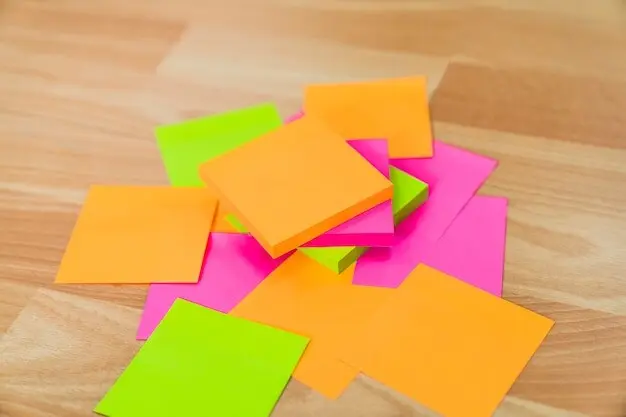
Atomic notes are small enough to hold one clear idea, yet sturdy enough to stand alone. By separating observations, procedures, and reflections, you create pieces that mix and match across projects. Add short, personal language and precise context from practice sessions. Each card earns a stable identity and simple links, letting insights accumulate without mess. Over time, clusters form naturally, revealing next experiments. You stop hunting for the right notebook page and start following living trails that invite action.

From Logs to Concepts

Session logs capture what happened; conceptual notes explain what the event means and how to reuse it. Translate a frustrating chord change into a principle about micro-isolating transitions. Link that principle to alternate fingerings, metronome games, and repertoire, so every future struggle points toward leverage rather than discouragement.

Pipelines That Respect Attention

Keep a gentle pipeline: fleeting notes during action, literature notes when reading, permanent notes after reflection, then a weekly review to connect. Each stage protects focus and prevents premature polishing. The result is momentum without overwhelm, clarity without rigidity, and a habit that sustains curiosity.

Cross-Pollinate Between Crafts

Use bridges to move ideas across hobbies: timing from cooking refines your running cadence; color theory from painting clarifies slide design; breathing from singing steadies public speaking. These cross-links reveal transferable leverage, stretch identity beyond silos, and keep learning fresh when motivation briefly fades.

Guiding Maps: Structures That Reduce Friction

Maps of content and lightweight indexes act like trail markers, letting you wander creatively without getting lost. Instead of giant folders, use cards that summarize a path, list stepping-stones, and pose next questions. Structures should invite exploration, not enforce bureaucracy. With gentle scaffolding, your library becomes navigable, playful, and reliably productive.

Tools, Cards, and Clicks: Practical Workflows

Whether you prefer paper or pixels, choose tools that minimize friction and maximize retrieval. Index cards encourage brevity; markdown vaults make linking fast; mobile capture keeps ideas from escaping. Avoid decorative complexity. Simple conventions, daily capture, and periodic linking sessions produce compounding clarity without demanding heroic discipline or expensive software.

Learning Science Inside Your Cards

Space and Retrieve, Don’t Re-Read

Instead of rereading highlights, schedule brief retrieval cues from your notes: a question, unfinished sketch, or prompt to perform the skill. Each successful recall strengthens connections. Space sessions across days, varying contexts, to protect against cramming’s fragility and to invite durable, flexible competence.

Make Connections Testable

Write connections as claims you can verify during practice. For example, assert that slower, exaggerated movements reduce errors by half, then test and revise the card. This turn toward evidence keeps the archive honest and your next session brimming with concrete experiments.

Interleave Techniques to Prevent Illusions

Mix drills and contexts so your brain must notice what changes. Rotate between scales, repertoire, and sight-reading; between soil mixing, pruning, and pest inspection; between grammar drills, conversation, and listening. Interleaving feels harder, yet notes preserve progress and reveal transfer you might otherwise miss.

Anecdotes from Tinkerers and Learners

Real people, real messiness: a home baker linking oven quirks to hydration ratios; a watercolorist connecting brush pressure to paper weight; a cyclist mapping cadence to perceived exertion. Each story shows how modest cards, patient linking, and steady reviews translate curiosity into satisfying, repeatable improvements.

The Ukulele Spiral

An adult beginner recorded each stuck transition, then linked to a micro-exercise lasting forty seconds. Weekly reviews connected transitions sharing finger shapes. After a month, their practice time unchanged, songs felt smoother, confidence returned, and the card trail told a compassionate story of cumulative wins.

The Balcony Gardener’s Index

A novice created an index card per plant, linking to soil recipes, sun exposure notes, and a watering calendar. Failures gained annotations, not shame. By season’s end, yield increased, pests declined, and the gardener felt mentored by their own patient, connected record.
Participate, Share, and Grow Together

Your voice matters here. Ask questions, challenge ideas, and tell us where your cards led you this week. Subscribe for gentle reminders and fresh experiments. Offer a screenshot, sketch, or index snapshot. Together we can refine methods, celebrate learning, and keep curiosity productively alive.
Livolumatelipaloloroviro
Privacy Overview

This website uses cookies so that we can provide you with the best user experience possible. Cookie information is stored in your browser and performs functions such as recognising you when you return to our website and helping our team to understand which sections of the website you find most interesting and useful.